How Hydrogen Fuel Cells Actually Work and Why They Matter
Global Markets
Hydrogen fuel cells actually work by turning hydrogen and oxygen into electricity without burning fuel. This clean energy process powers vehicles, buildings, and machines while producing only water as waste.
Many beginners hear about hydrogen fuel cells but struggle to understand what truly happens inside them. The process sounds complex, yet it follows a clear flow that mirrors everyday power use. Understanding this basics helps explain why hydrogen fuel cells are gaining attention worldwide.
What Hydrogen Fuel Cells Are and Why People Care
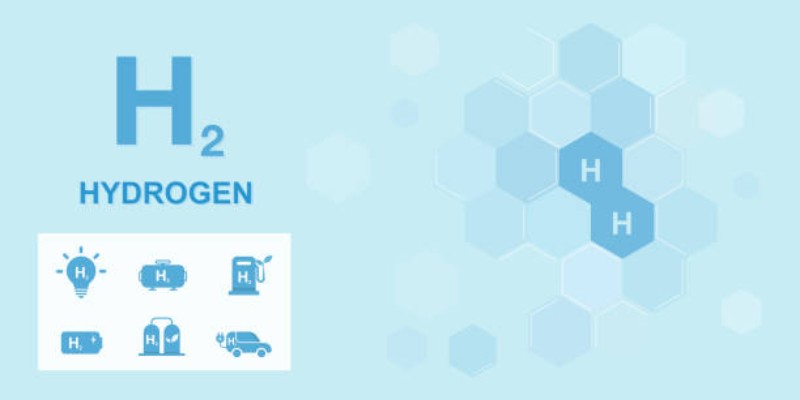
Hydrogen fuel cells are energy devices that generate electricity through a chemical reaction. Instead of storing power like batteries, they produce electricity continuously as long as hydrogen is supplied.
People care because hydrogen fuel cells offer clean power without smoke, fumes, or carbon emissions. This makes them attractive for transport, backup power, and large energy systems where pollution and noise are problems.
The Basic Science Behind Hydrogen Fuel Cells
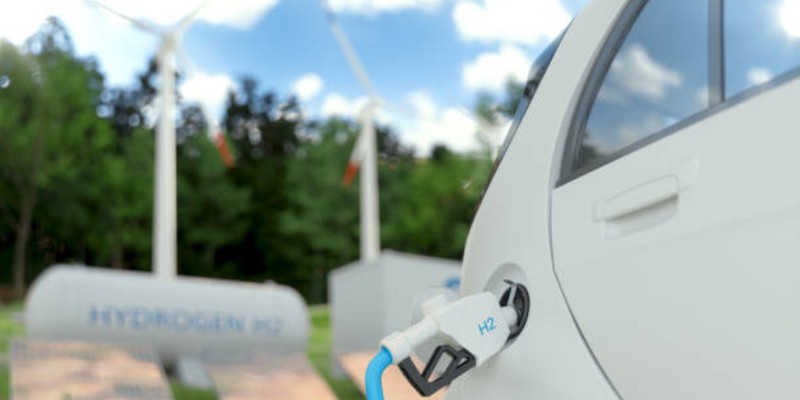
Hydrogen fuel cells actually work through electrochemical reactions. Hydrogen atoms split into protons and electrons. These particles move differently, creating an electric current.
Unlike engines, nothing is burned. There is no flame. Electricity is produced directly from chemical energy, which makes hydrogen fuel cells more efficient than many traditional power sources.
The Main Parts of a Hydrogen Fuel Cell
The Anode and What Happens There
The anode is where hydrogen gas enters the fuel cell. A catalyst helps separate hydrogen into protons and electrons.
The electrons cannot pass through the electrolyte, so they move through an external circuit. This movement is what creates usable electricity.
The Cathode and Its Role
The cathode is where oxygen enters the fuel cell. Oxygen combines with protons and returning electrons.
This reaction forms water as the only byproduct. No harmful gases are released during normal operation.
The Electrolyte and Why It Matters
The electrolyte allows protons to pass through while blocking electrons. This separation forces electrons to travel through a circuit.
Without the electrolyte, hydrogen fuel cells could not control energy flow or generate electricity efficiently.
How Hydrogen Fuel Cells Actually Work Step by Step
Hydrogen Intake and Electron Separation
Hydrogen gas flows into the anode side of the cell. A catalyst splits each hydrogen atom into a proton and an electron.
The protons move through the electrolyte. The electrons are redirected through a wire, creating electric current.
Electricity Generation and Power Output
As electrons move through the external circuit, they power devices. This electricity can run motors, lights, or entire buildings.
The amount of power depends on fuel cell size, hydrogen supply, and system design.
Water and Heat as Final Outputs
At the cathode, oxygen combines with protons and electrons. Water forms and exits the system.
Heat is also produced. Some systems reuse this heat to improve overall energy efficiency.
Different Types of Hydrogen Fuel Cells Explained
Proton Exchange Membrane Fuel Cells
These fuel cells operate at low temperatures and respond quickly to changes in demand.
They are common in hydrogen fuel cell vehicles because they are compact and efficient.
Solid Oxide Fuel Cells
Solid oxide fuel cells operate at very high temperatures. They are often used for industrial power and stationary energy systems.
Their heat output makes them useful for combined heat and power applications.
Other Common Fuel Cell Types
Alkaline and molten carbonate fuel cells are used in specialized settings.
Each type balances cost, temperature, efficiency, and fuel flexibility differently.
Where Hydrogen Fuel Cells Are Used Today
Hydrogen fuel cells power cars, buses, and trucks with fast refueling times. They also provide backup power for hospitals and data centers.
Large facilities use them for steady electricity generation. Interest continues to grow as clean energy demand increases, supported by organizations like the global energy research community.
Hydrogen Fuel Cells vs Batteries vs Gas Engines
Energy Efficiency and Performance Differences
Hydrogen fuel cells convert chemical energy directly into electricity. Gas engines lose more energy as heat.
Batteries store energy but must be recharged, while hydrogen fuel cells produce power continuously.
Refueling and Charging Time
Hydrogen refueling takes minutes. Battery charging can take hours.
This speed gives hydrogen fuel cells an advantage for transport and heavy-duty use.
Environmental Impact Comparison
Hydrogen fuel cells emit only water during use. Gas engines release carbon emissions.
Battery impact depends on electricity sources and material mining.
Advantages of Hydrogen Fuel Cells
Hydrogen fuel cells produce clean electricity with no harmful emissions. They operate quietly and smoothly.
They offer high efficiency for long-duration power. Industries value their reliability and scalability, which is why energy leaders highlighted by clean energy authorities continue to invest in them.
Limitations and Challenges of Hydrogen Fuel Cells
Hydrogen production can be energy-intensive. Storage requires high pressure or low temperatures.
Infrastructure remains limited in many regions. Costs are decreasing, but materials and distribution still present challenges.
Safety Concerns and Common Misconceptions
Hydrogen is often seen as dangerous, but modern systems include multiple safety layers.
Hydrogen disperses quickly in open air, reducing fire risk when properly managed. Standards supported by international safety organizations guide system design and operation.
How Hydrogen Is Produced for Fuel Cells
Hydrogen can be produced using natural gas or renewable electricity. Green hydrogen uses renewable energy and creates minimal emissions.
The production method determines how sustainable hydrogen fuel cells truly are.
The Future of Hydrogen Fuel Cells
Advances in materials and manufacturing are lowering costs. Governments and industries are expanding hydrogen networks.
Hydrogen fuel cells are expected to play a major role in clean transport, power grids, and industrial energy systems.
Why Understanding How Hydrogen Fuel Cells Actually Work Matters
Understanding how hydrogen fuel cells actually work helps people make informed energy choices. It clarifies why they are different from batteries and engines.
As clean energy demand grows, hydrogen fuel cells will remain central to discussions about sustainable power solutions.
Sources
Share this article:
Recommended For You



Most Viewed




ADVERTISEMENT